Dust collector filter bag
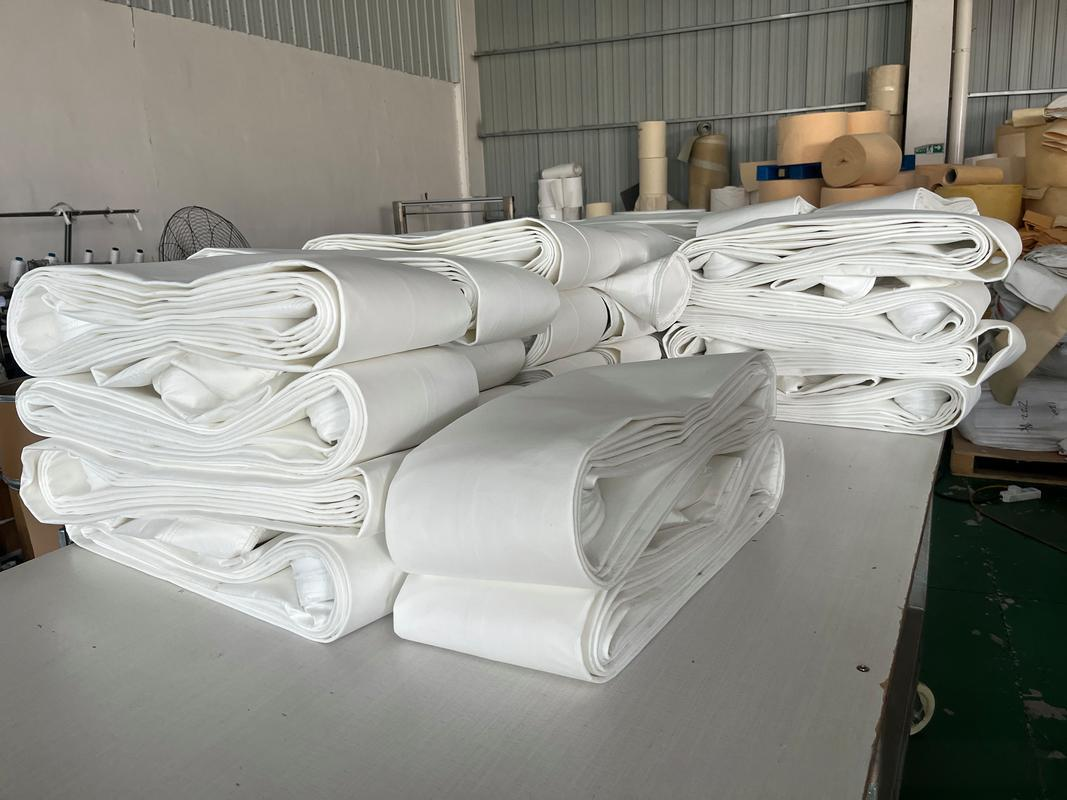
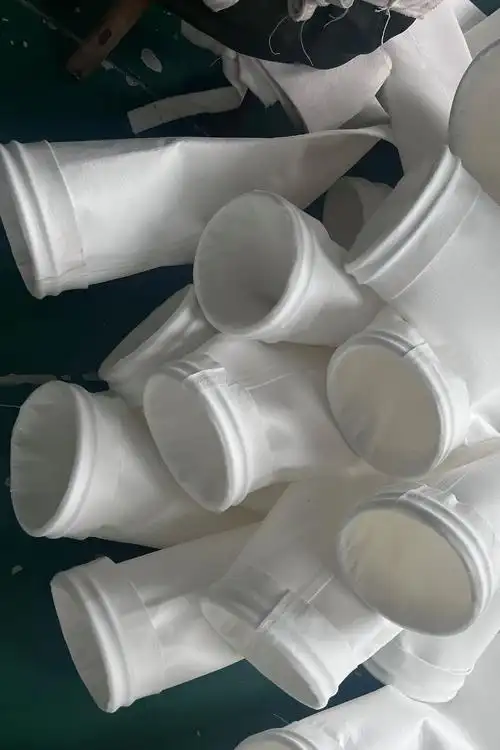
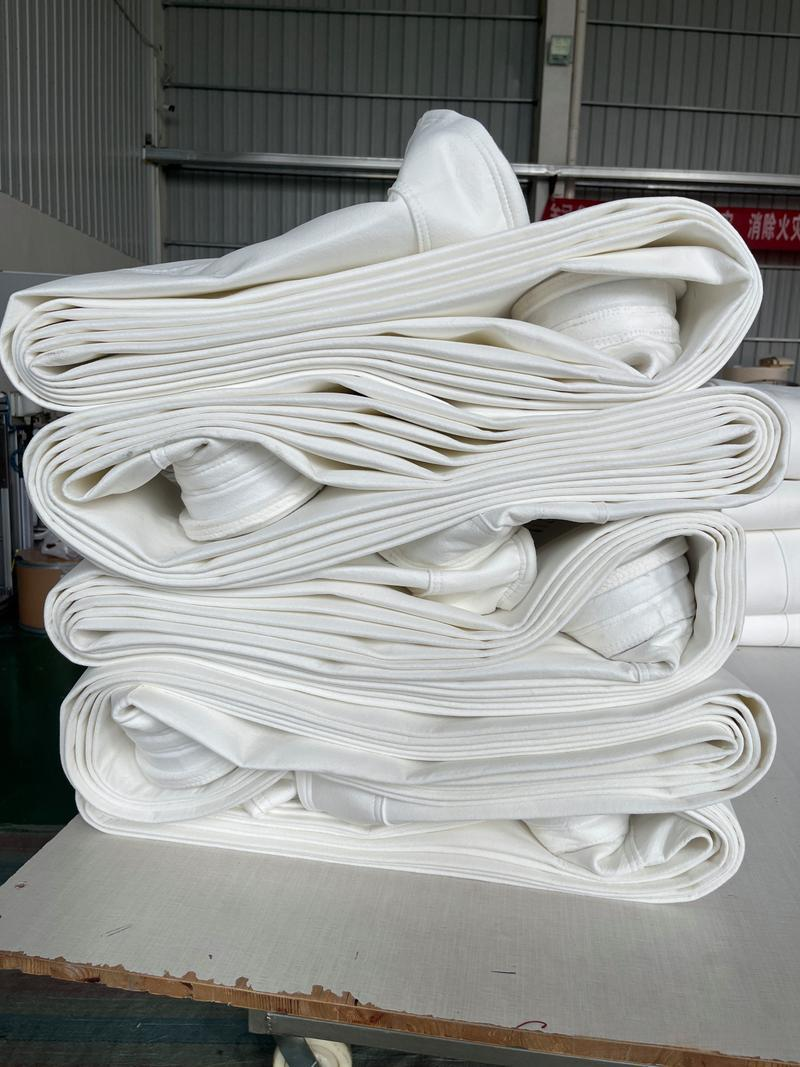
Dust collector filter bags are the core filtration components of bag-type dust collectors; by utilizing the filtering action of fibrous fabric to capture dust particles from flue gas, they serve as critical components enabling industrial dust removal systems to purify dust and achieve ultra-low emissions.
Good breathability, high cost-performance ratio, resistance to weak acids and alkalis, and high mechanical strength.
Dust collector filter bags serve as the core filtration components of bag-type dust collectors; by utilizing the filtering action of fibrous fabrics to capture dust particles from flue gas, they are critical to achieving dust purification and ultra-low emissions in industrial dust removal systems. Widely used across sectors such as iron and steel, cement, chemicals, environmental protection, coating, and heat treatment, these bags are suitable for diverse operating conditions—including boilers, kilns, post-scrubber dust removal, and workshop dust collection—and are also common consumables for dust removal systems in steel slag processing.
Selecting the right dust collector filter bag directly determines the system’s efficiency and operating costs; precise matching based on key operating parameters is essential, with a focus on the following four factors:
1. Flue gas temperature: Prioritize determining the continuous operating temperature to avoid selecting bags unsuitable for the heat (e.g., polyester bags for ambient temperatures, PPS bags for high temperatures around 200°C, and FMS bags for 280°C);
2. Flue gas composition: For corrosive flue gas containing sulfur, acids, or alkalis, select PPS, PTFE, or polypropylene bags; for high-humidity flue gas, avoid materials prone to hydrolysis (such as standard polyester);
3. Dust characteristics: For highly abrasive dust (e.g., steel slag or ore dust), choose bags with high mechanical strength and smooth surfaces (such as membrane-coated polyester bags) to minimize wear; for fine particulate dust, select membrane-coated bags to enhance filtration precision;
4. Dust collection system type: Consider positive/negative pressure operation and the cleaning method (pulse-jet, reverse-air, or mechanical shaking); for pulse-jet systems, select bags with high impact resistance (such as polyester needle-felt). Key Points for Daily Operation and Maintenance
1. Dust Cleaning Control: Pulse-jet cleaning parameters (pressure and frequency) must be matched to operating conditions. Excessive pressure or frequency accelerates filter bag wear, while insufficient pressure or frequency leads to dust accumulation and “blinding” (caking) of the bags, thereby increasing system resistance.
2. Temperature Monitoring: Monitor flue gas temperature in real-time and set high-temperature alarms to prevent high-temperature gas from directly entering the filter bags, which could cause burning or shrinkage.
3. Prevention of Condensation and Bag Blinding: Ensure proper thermal insulation for high-humidity flue gas to prevent the temperature from dropping below the dew point. Condensation causes dust to mix with moisture and adhere to the bag surface, leading to blinding and a loss of filtration function.
4. Regular Inspection and Replacement: Periodically inspect filter bags during operation for damage or detachment, and replace damaged bags promptly (to prevent dust breakthrough and emission limit violations). Under standard operating conditions, the service life is 1–2 years for polyester bags, 2–3 years for high-temperature bags (PPS/FMS), and 3–5 years for PTFE bags.
5. Dust Removal: Promptly clear accumulated dust from the dust collector hopper after shutdown to prevent dust from backing up onto the filter bag surfaces.
| Filter Bag Type | Core material | Continuous service temperature | Instantaneous temperature resistance | Key Features | Applicable operating conditions |
| Polyester needle-punched felt filter bag | Polyester fiber | ≤130°C | 150°C | Good breathability, high cost-performance ratio, resistance to weak acids and alkalis, and high mechanical strength. | Ambient-temperature dry dust removal, painting workshops, furniture factories, ambient-temperature powder material conveying. |
| Polypropylene needle-punched felt filter bag | Polypropylene fiber | ≤90°C | 100°C | Resistant to strong acids and alkalis, highly hydrophilic, and lightweight. | High-humidity, highly corrosive flue gas; dedusting for acidic and alkaline chemical processes; drying section following wet dedusting. |
| FMS High-Temperature Filter Bag | Fiberglass-fluoride composite | ≤280°C | 300°C | High-temperature resistance, high flexural strength, corrosion resistance, and high filtration precision. | Steel plant slag steam-aging treatment; high-temperature flue gas from kilns, furnaces, and boilers; and metallurgical roasting. |
| PPS High-Temperature Filter Bag | Polyphenylene sulfide fiber | ≤190°C | 210°C | Resistant to strong acids and alkalis and high humidity; exhibits good hydrolysis resistance. | Post-desulfurization flue gas from power plants, sulfur-containing flue gas from iron and steel production, waste incineration, and high-temperature corrosive conditions in the chemical industry. |
| PTFE (Polytetrafluoroethylene) filter bag | Polytetrafluoroethylene fiber | ≤260°C | 280°C | Resistant to strong acids and alkalis, high temperatures, and aging; zero hydrolysis; long service life. | Highly corrosive environments; complex operating conditions involving high humidity and high temperatures; waste incineration; specialty chemicals. |
| Fiberglass fabric filter bag | Alkali-free glass fiber | ≤260°C | 280°C | High-temperature resistant, corrosion-resistant, and low-cost. | High-temperature dry dust removal, cement rotary kilns, power plant boilers (low-abrasion operating conditions) |
iron and steel, cement, chemicals, environmental protection, coating, and heat treatment Applications
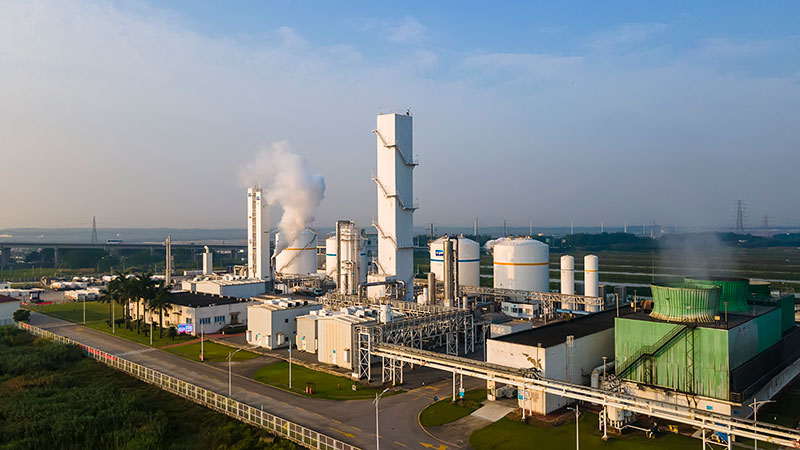
Widely used in industries such as iron and steel, cement, chemicals, environmental protection, coating, and heat treatment, it is suitable for various operating conditions—including boilers, industrial furnaces, post-scrubber dust removal, and workshop dust collection—and serves as a common consumable component in dust removal systems for steel slag processing.